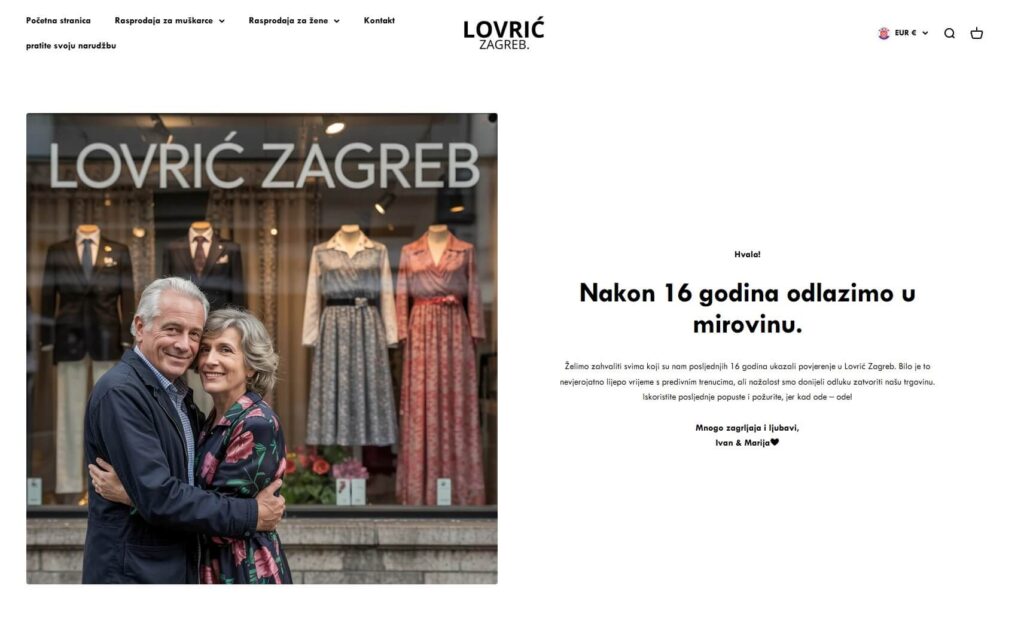
Example of a fake webshop and how to detect it in time
28.04.2026. | 10:44Be cautious: if an offer seems too good to be true, it usually is—don’t fall for such tricks. One of our users, an expert in digital marketing, immediately noticed that a particular webshop was attempting to lure buyers with a fake offer.
Internet usage is constantly evolving, and with it, online fraud techniques are becoming increasingly sophisticated. Scammers are now leveraging AI-driven communication and sales tools, exploiting emotions and the lure of extremely cheap purchases.
It is essential that online shoppers remain vigilant and avoid offers that are typically too good to be true, which can appear in ads on Facebook, Instagram, or other distribution channels.
These scams often use AI and SaaS automation for all aspects of online commerce, providing fraudsters with cloud-based services to manage marketing, website creation, fraudulent shops, and payment processing.

Under the radar
The eCommerce Croatia Association regularly receives notifications about such fraud attempts. Recently, user Monika Nožinić reported a potentially fake webshop.
User message: “Hello! I came across a sponsored Instagram post for a boutique’s website claiming a closing sale. After investigating, I believe the site is suspicious and likely a scam. Here’s the link: https://lovriczagreb.com/products/crni-hibridni-cargo-traperice. They also have a fake Facebook page I just reported: https://www.facebook.com/share/1Hwk9qs4Ew/.”
Following this message, we sent an inquiry to the webshop, which responded only with an automated email signed “Tim Lovric Zagreb,” stating they usually reply within 24 hours. Naturally, no further response was received.

We also contacted Monika for further clarification of her experience, which can be valuable for other online shoppers to avoid similar scams.
“The ad was a sponsored post on Instagram and looked suspicious immediately. I clicked out of curiosity and noticed several inconsistencies—like a dramatic message about the store closing after 16 years, a stock photo of the supposed ‘owner and spouse,’ and leather jackets in all colors and sizes at 50% off, a classic marketing trap. The website initially looked convincing but seemed generated and fake on closer inspection. My experience in digital marketing probably helped me identify the potential scam faster,” Monika Nožinić explains.
She adds that she didn’t attempt a purchase and confirmed her doubts by searching “Lovrić shop” on Google, finding no evidence of such a boutique in Zagreb. She advises other buyers to research any unfamiliar website thoroughly, use tools like link checkers to verify domain safety and registration date, and gather information to avoid potential scams.
The eCommerce Croatia Association also noted the webshop lacked any company information and social proof (media mentions, real reviews, verified social profiles), confirming it was fraudulent.
“Most buyers won’t notice these signs, so we recommend checking every new webshop through our anti-scam service Check.eCommerce.hr. While no tool can guarantee a site is safe, it will alert you to potential risks. For example, this case clearly indicates fraud since the domain was registered just days before the ad’s claimed closing sale. Unfortunately, such fake sites are becoming more common. Some previously identified domains include lucienzagreb.com (registered March 25, 2025), moda-zagreb.com (registered April 7, 2025), and novir-moda.com (registered April 11, 2025),” said Marcel Majsan, president of eCommerce Croatia.
He also highlighted that during seasonal sales like Black Friday, online fraud spikes. While most Croatian webshops are safe, fake shops frequently appear to steal card information. He recommends checking a company’s name online before purchasing.
“If the company name is not found online, there’s no trust seal, and no social proof like followers or reviews, do not enter your card details. If you must purchase from a suspicious webshop, verify at least one secure payment method is offered. Cash-on-delivery is safer but doesn’t guarantee that fake goods won’t be sent,” Majsan advises.


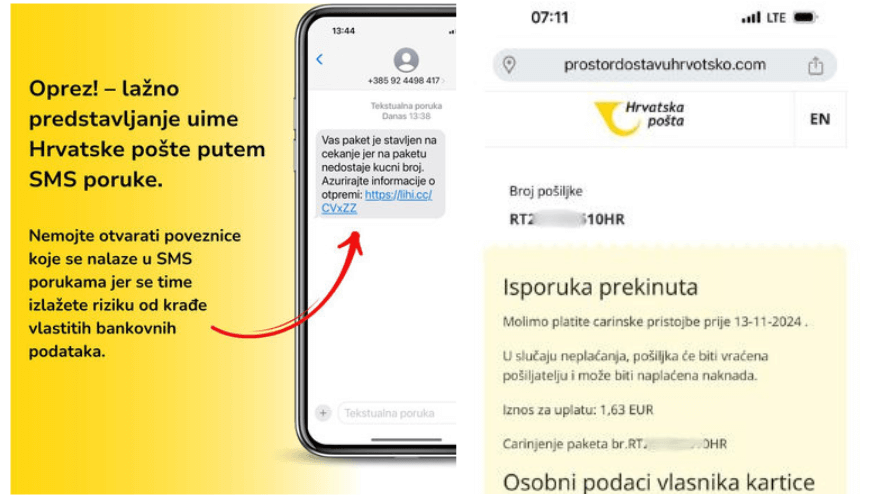
Croatian Post warns: Don’t fall for SMS scams!
Security drives sales – Trust badges are a key sales tool

Post warns of new scams: “They are coming from these 14 suspicious domains”
The risk of online scams higher than ever – merchants lag behind, AI doesn’t sleep
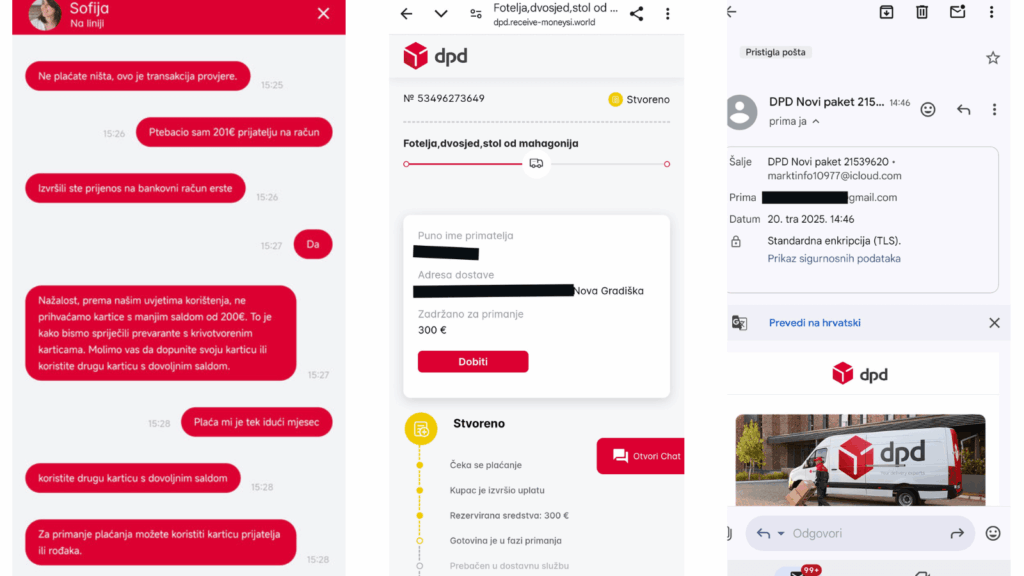
DPD exposes scammers and calls on customers to be cautious